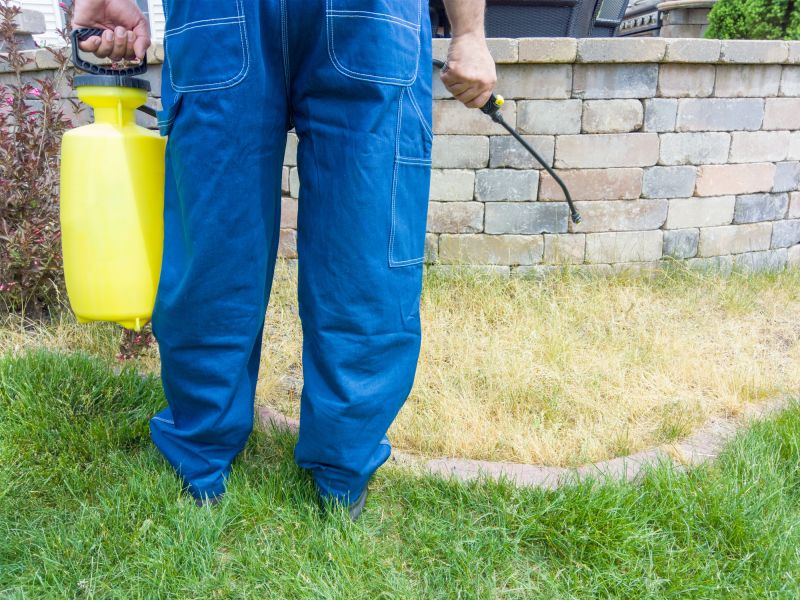
Lawn Fungus Treatment in Ventura County, CA
Lawn fungus treatment services focus on diagnosing and eliminating fungal infections that can affect the health and appearance of residential lawns. These treatments are suitable for a variety of projects, including addressing common issues like brown patches, mold, and other fungal growths caused by moisture, heat, or poor drainage. Property owners typically seek these services to restore their lawn’s vitality, prevent further spread of the fungus, and maintain a lush, healthy outdoor space.
Before requesting lawn fungus treatment, homeowners should be aware of the signs of fungal problems, such as discolored patches, unusual spots, or a fuzzy appearance on the grass. It’s also helpful to understand the type of grass, recent weather conditions, and any previous lawn care practices that may influence treatment options. Proper identification of the fungus and tailored treatment plans can help ensure the best results in maintaining a resilient and attractive lawn.
Many property owners in Ventura County, CA look into Lawn Fungus Treatment for repairs, replacements, upgrades, and appearance-related improvements.
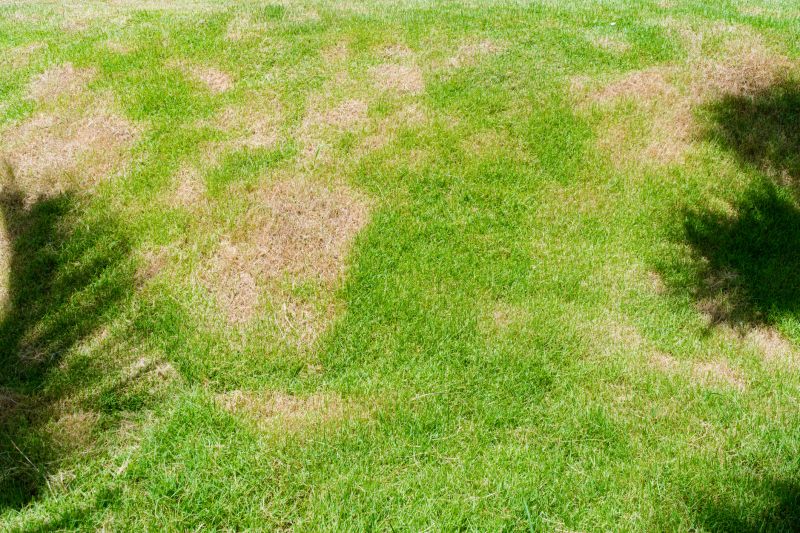
Identifying Lawn Fungal Issues
Signs of lawn fungus include discolored patches, thinning grass, and unusual growth patterns.
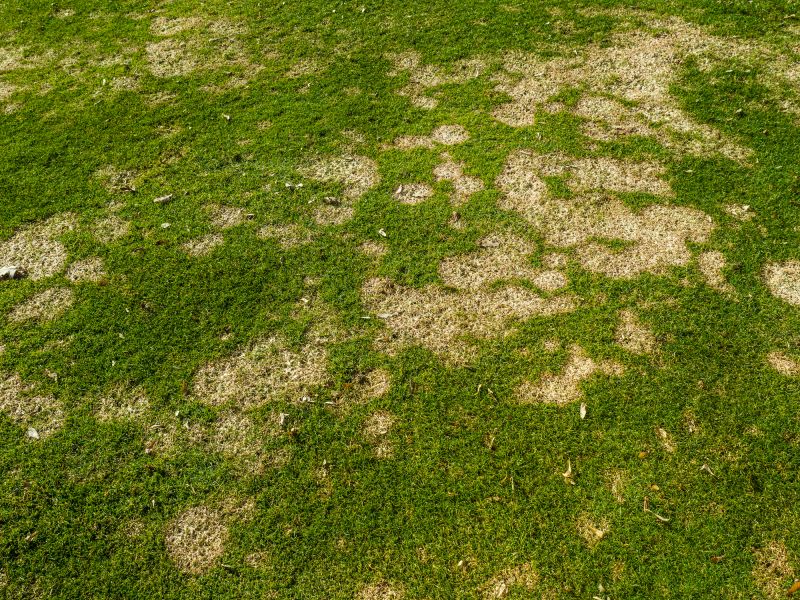
Preventative Lawn Care Tips
Proper watering, mowing, and aeration can help reduce the risk of fungal infections in your yard.
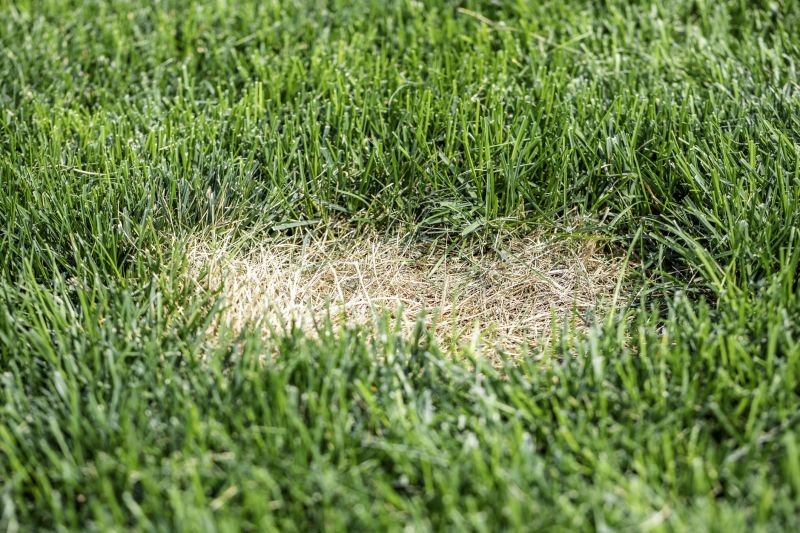
Effective Treatment Solutions
Specialized fungicides and targeted treatments restore health to affected lawns in ventura county and nearby areas.
Lawn Fungus Treatment in Ventura County, CA

Lawn fungus treatment services focus on diagnosing and eliminating fungal infections that can affect the health and appearance of residential lawns. These treatments are suitable for a variety of projects, including addressing common issues like brown patches, mold, and other fungal growths caused by moisture, heat, or poor drainage. Property owners typically seek these services to restore their lawn’s vitality, prevent further spread of the fungus, and maintain a lush, healthy outdoor space.
Before requesting lawn fungus treatment, homeowners should be aware of the signs of fungal problems, such as discolored patches, unusual spots, or a fuzzy appearance on the grass. It’s also helpful to understand the type of grass, recent weather conditions, and any previous lawn care practices that may influence treatment options. Proper identification of the fungus and tailored treatment plans can help ensure the best results in maintaining a resilient and attractive lawn.
Many property owners in Ventura County, CA look into Lawn Fungus Treatment for repairs, replacements, upgrades, and appearance-related improvements.
Common Lawn Fungus Treatment Jobs
Lawn Fungus Treatment - services focus on eliminating fungal infections that affect grass health.
Fungal diagnosis and assessment - identifying specific types of lawn fungus to determine effective treatment options.
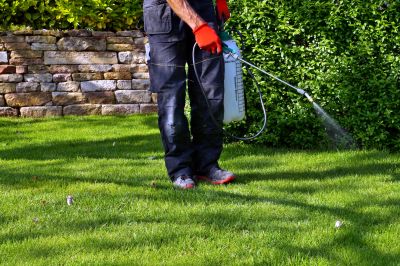
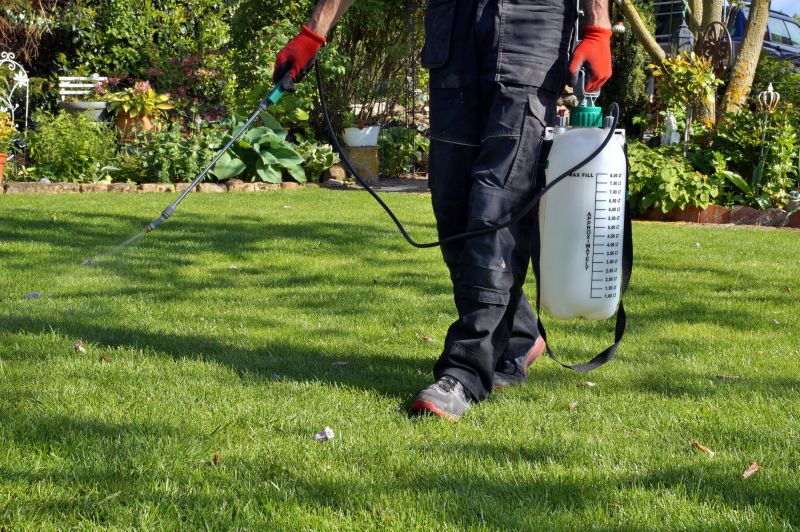
Application of fungicides - targeted treatments to control and prevent the spread of lawn fungi.
Preventive lawn care advice - guidance on practices to reduce the risk of future fungal growth.
Soil health evaluation - analyzing soil conditions to support a healthy, fungus-resistant lawn.
Reseeding and lawn repair - restoring damaged areas caused by fungal infections for a lush, healthy yard.

Lawn Fungus Treatment Questions
What causes lawn fungus? Lawn fungus typically develops from excess moisture, poor drainage, or overwatering, creating ideal conditions for fungal growth.
How can I identify lawn fungus? Signs include discolored patches, fuzzy or slimy spots, and thinning grass in affected areas.
Is treatment necessary for lawn fungus? Yes, treating lawn fungus helps prevent it from spreading and damaging the overall health of the turf.
What steps can property owners take to prevent lawn fungus? Proper watering practices, aeration, and removing excess thatch can reduce the risk of fungal growth.
Request Lawn Fungus Treatment in Ventura County, CA
Use the quote form on this page to share the basics of your project and request more information for the type of work you need.